While individual traders may apply the system in different ways, structured strategies like Forex Win Master generally follow a clear and logical sequence of market analysis. This step-by-step process helps traders evaluate conditions more carefully before making trading decisions.
Step 1: Analyze Higher Time Frame Trends
Traders often begin by studying higher time frame charts such as the four-hour or daily chart. Looking at larger timeframes helps reveal the broader market direction and overall trend. When traders understand whether the market is moving upward, downward, or sideways, it becomes easier to align trades with the dominant momentum rather than trading against it. This type of analysis is commonly used when applying the Forex Win Master strategy.
Step 2: Mark Important Price Levels
After identifying the main trend, traders mark key support and resistance levels on the chart. These levels represent areas where price has previously reacted by reversing or slowing down. Because many market participants monitor these zones, they often become important decision points where buying or selling pressure may appear again.
Step 3: Evaluate Market Conditions
Before entering a trade, traders examine overall market conditions such as volatility and price behavior. Tools like the Average True Range (ATR) can help measure how actively the market is moving. Stable volatility levels allow traders to avoid periods of extremely low movement or sudden price spikes that may increase trading risk.
Step 4: Wait for Confirmation
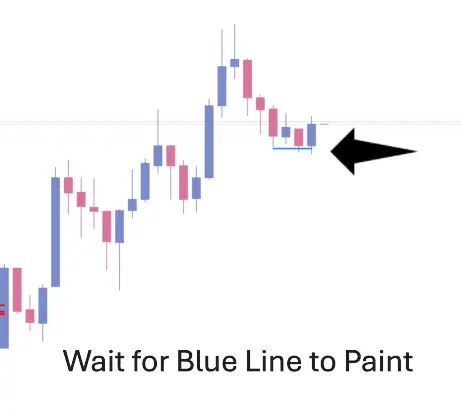
Rather than entering the market immediately after spotting a potential setup, traders usually wait for confirmation signals. Systems such as Forex Win Master emphasize waiting for supporting evidence before executing a trade. These confirmations may include:
● Price rejection patterns
● Momentum indicators
● Candlestick formations
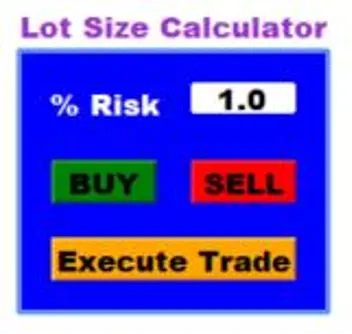
Waiting for confirmation can help reduce the chances of entering trades too early. Once the signals appear, traders can execute a position while following the strategy rules and applying proper risk management techniques.